
What is Accreditation?
Accreditation is an external quality assurance process that ensures our MD program meets the standards set by the Committee on Accreditation of Canadian Medical Schools (CACMS). It compares our policies, processes, and learner experiences against national expectations.
It protects learners, staff and faculty, assures quality to support excellent patient care, and maintains eligibility for residency training.
Strategic Direction: “Paving Our Path to 2030”
The College of Medicine’s strategic direction emphasizes:
- Connecting
- Advancing ohpahotân | oohpaahotaan (Indigenous Strategy)
- Reflecting and learning
- Embedding equity, diversity, inclusion, and accessibility (EDIA) principles
- Sharing our stories
Social Accountability at the College of Medicine
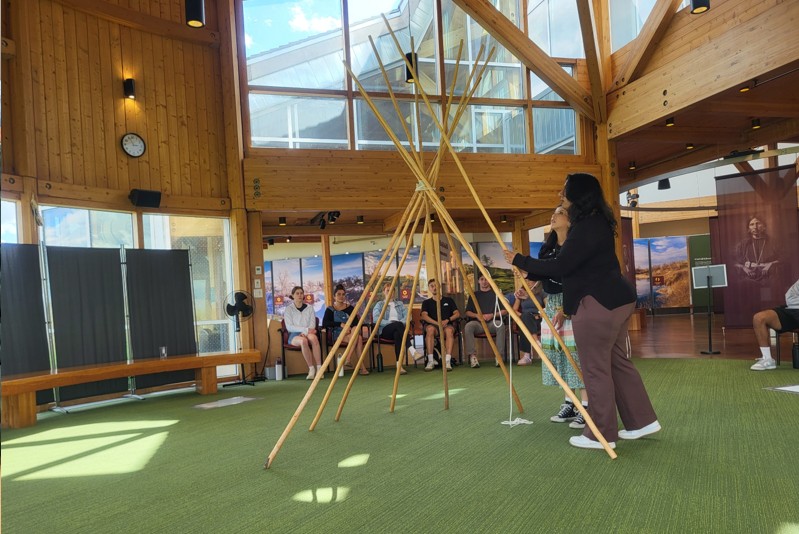
Social accountability is woven throughout admissions, curriculum, community partnerships, research, and service.
Key components include:
- Division of Social Accountability (DSA)
- Office of the Vice Dean Indigenous Health (OVDIH)
- Biennial community consultations identifying priority health needs
- Integration of Social Determinants of Health, equity, Indigenous health, and advocacy skills across curriculum and clerkship
- Rural and remote learning experiences
Learning Environment & Anti-Discrimination
We prioritize an environment that is safe, inclusive, respectful, and anti-oppressive.
Foundations include:
- The USask Discrimination & Harassment Prevention Policy
- The CoM Mistreatment Procedures
- Anti-Racism Transformation in Medical Education (ART) participation
- CME’s award-winning program “Role of Practitioners in Indigenous Wellness”
- Policies shared across all sites (SHA + USask)
High-Level Policy Framework (Mistreatment, Scheduling, Assessment)
- USask Discrimination & Harassment Prevention
- MD Program Student Mistreatment Procedures
- Curriculum Scheduling Policy
- Assessment Policies (Formative & Summative)
- Functional (Technical) Competencies for Medicine
Student Mistreatment: What It Is & How We Address It
- Public humiliation
- Racism, sexism, discrimination
- Threats or retaliation
- Inappropriate physical contact
- Harassment
- Office of Student Affairs (OSA)
- Mistreatment reporting form
- Mistreatment Reform Committee proxy reporting
- USask Confidence Line
- SHA processes when applicable
Scheduled Time Expectations (Pre-clerkship & Clerkship)

- Max 35 hours/week curricular time
- On average, Max 28 hours/week scheduled
- On average, Min 7 hours/week unscheduled
- Standard day 8:30–4:30
- National duty hour expectations
- Protected time for academic halfdays
- Monitoring through One45
Program Learning Objectives (PLOs)
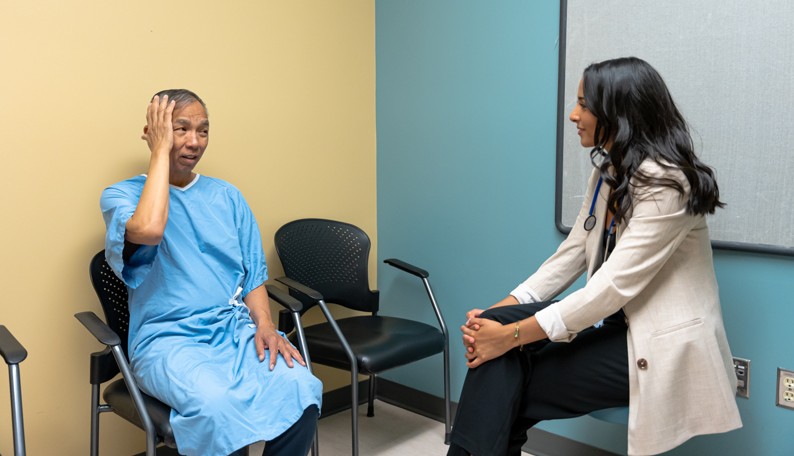
The PLOs define the “USask physician.” They mirror CanMEDS roles:
- Medical Expert
- Communicator
- Collaborator
- Leader
- Health Advocate
- Scholar
- Professional
These guide curriculum mapping and assessment.
Curriculum is fully mapped to the PLOs - every course and rotation links back to them.
MD Curriculum Overview (High-Level)
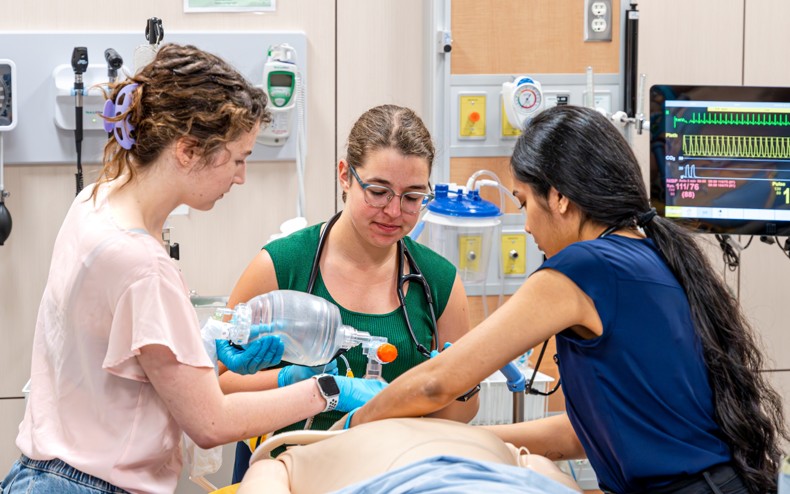
- Foundations, Clinical Skills, Medicine & Society, Success in Medical School
- Active learning emphasis & CBL
- Early community, rural, and Indigenous health learning
- Service-learning and advocacy experiences
- Significant early hands-on clinical learning
- Rotations across SK
- Option for Saskatchewan Longitudinal Integrated Clerkship (SLIC)
- Rural/remote family medicine
- Required socially accountable elective
- Weekly longitudinal Year 3 course and Year 4 capstone course to prepare for residency
Admissions (IAP, DSAAP, BSAP, Rural Pathways)
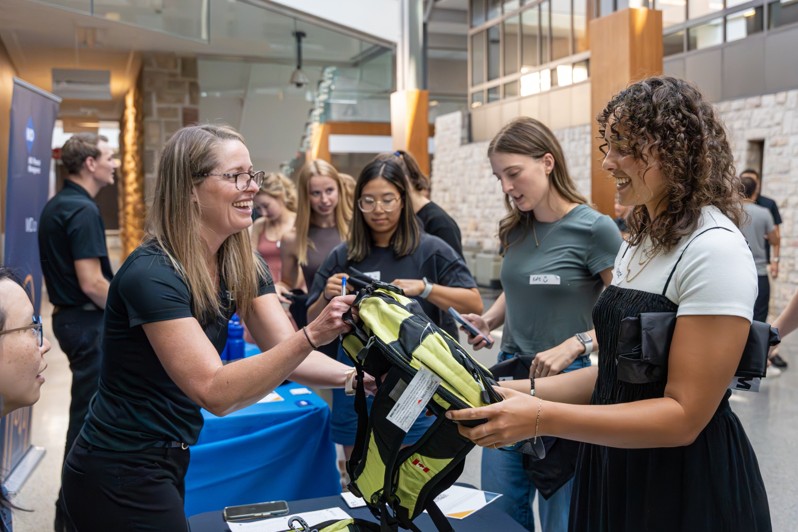
- Indigenous Admissions Pathway (IAP)
- Diversity & Social Accountability Admissions Program (DSAAP)
- Black Student Admissions Pathway (BSAP)
- Saskatchewan/Rural Connectedness Index
Our admissions processes intentionally support a student body that reflects Saskatchewan.
Key Strengths of the USask MD Program

- Strong social accountability leadership
- Rural and remote training experiences
- Indigenous health commitments
- Active, integrated curriculum
- Improved student support systems
- Robust Continuous Quality Improvement (CQI) mechanisms
- Positive learning environment indicators
- Focus on hands-on clinical learning experience
Questions?
University of Alberta MD Program. (2022). The Little Yellow Book for Accreditation. https://www.ualberta.ca/en/medicine/programs/md/about/accreditation/guide.html