
The impact of rural medicine: Training future doctors for Saskatchewan
More than a third of Saskatchewan residents live in a rural or remote community. Some of these individuals can face challenges accessing health care, either through limited resources or long distances to urban care centres.
By Amanda WoroniukTo help close this gap, the University of Saskatchewan (USask) College of Medicine offers medical students the opportunity to train in communities around the province, outside of the college’s Regina and Saskatoon campuses. These placements give medical students firsthand experience with rural health needs and learn what it’s like to provide care in these communities.
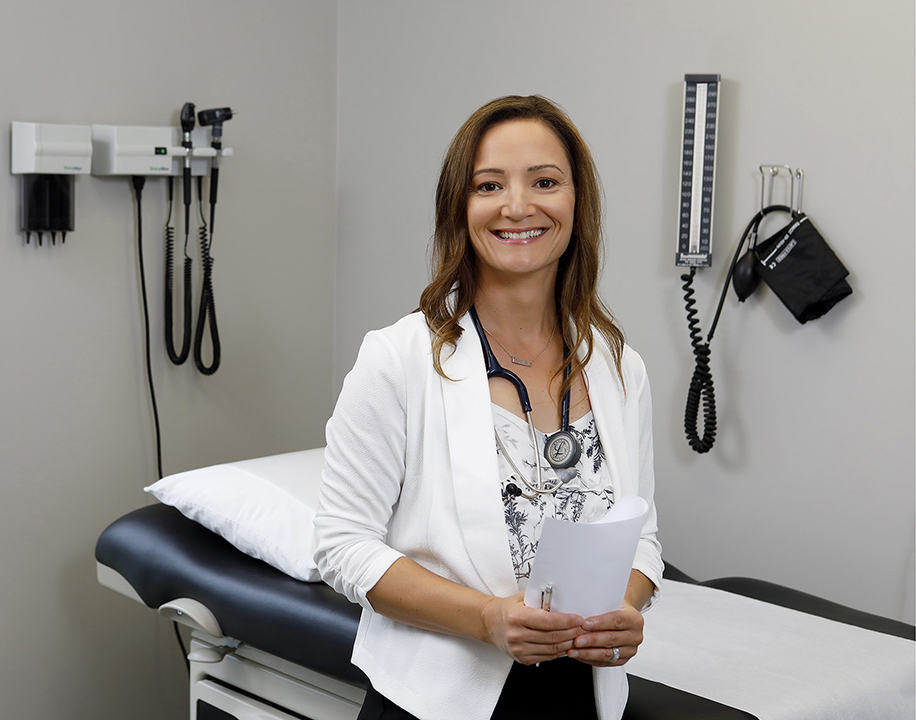
“When you are a provider in a rural, regional or remote centre, there are unique characteristics of practicing in these places that learners may not experience when they’re training in the urban centres,” said Dr. Tara Lee (MD), associate dean rural medicine, and a family medicine physician in Swift Current. “All of our communities are very unique, and I think it’s very beneficial for our learners to see how their colleagues live and work in rural communities.”
During their third and fourth year of the medical doctor (MD) program, students participate in clerkship and apply the knowledge and skills gained in the classroom to clinical settings. This phase of training helps them explore various disciplines, identify areas of interest and building the clinical experience needed as they prepare for residency.
Clerkship students rotate through different core specialities such as pediatrics and emergency medicine in multi-week blocks at sites throughout Saskatchewan. Students work under the supervision of experienced physicians as part of the health-care team. The USask medical doctor program requires that all clerkship students spend a minimum of four weeks in service in a rural community.
“Historically, medical students are at our two main campuses. In order for them to get the experience of what it’s like to live and work in a rural community, they therefore must go out and experience that outside of their urban campuses,” said Lee.
Training in rural communities
For medical students seeking an immersive rural training experience, the college offers the Saskatchewan Longitudinal Integrated Clerkship (SLIC) program. For those interested in shorter experiences, the Department of Family Medicine also has nine residency training sites throughout the province and provides learning opportunities for undergraduate medical learners in 25 communities.
Through the SLIC program, students spend their third year in one location and complete all their clinical rotations in that community. Currently, the program is offered at four sites – La Ronge, Meadow Lake, Melfort, and Swift Current – with one to two students per location.
“We know the longer a learner works in one place, the more likely it is that they’ll go back to work in that area,” said Lee.
In the SLIC program, students benefit from early clinical exposure and one-on-on mentorship with their supervising physician, also known as a preceptor. This differs from traditional clerkship rotations in urban hospitals, where the supervising physician would change as the student moves between sites and electives.
Hands-on training and continuity of care
“We know that students that learn in an environment that provides continuity – especially with relationships with their preceptors – increase their clinical confidence,” said Lee. “Of course, it has to do with the patient that they see over and over again, but it largely has to do with the connection and the relationship they form with their preceptors. It allows the student to try things that they may not have, knowing that they’re in a trusting environment.”
In addition to building clinical confidence, SLIC students are also eager to dive in and immerse themselves in the training. Larger sites have more learners, which means clinical experiences are often shared among the group. Even though students at all sites receive priority one‑on‑one supervision, the number of learners at these larger centres can create the perception of having to “wait their turn.”
“These students are incredibly hands-on, they have one-on-one preceptorship, and they’re not waiting at the back of the line to experience things or get exposure to things,” said Dr. Geoff Zerr (MD), director of the SLIC program, and a family medicine physician in Melfort. “Students are spending a lot of time getting that direct line to patients and getting their hands involved in cases with procedures or assessments.”
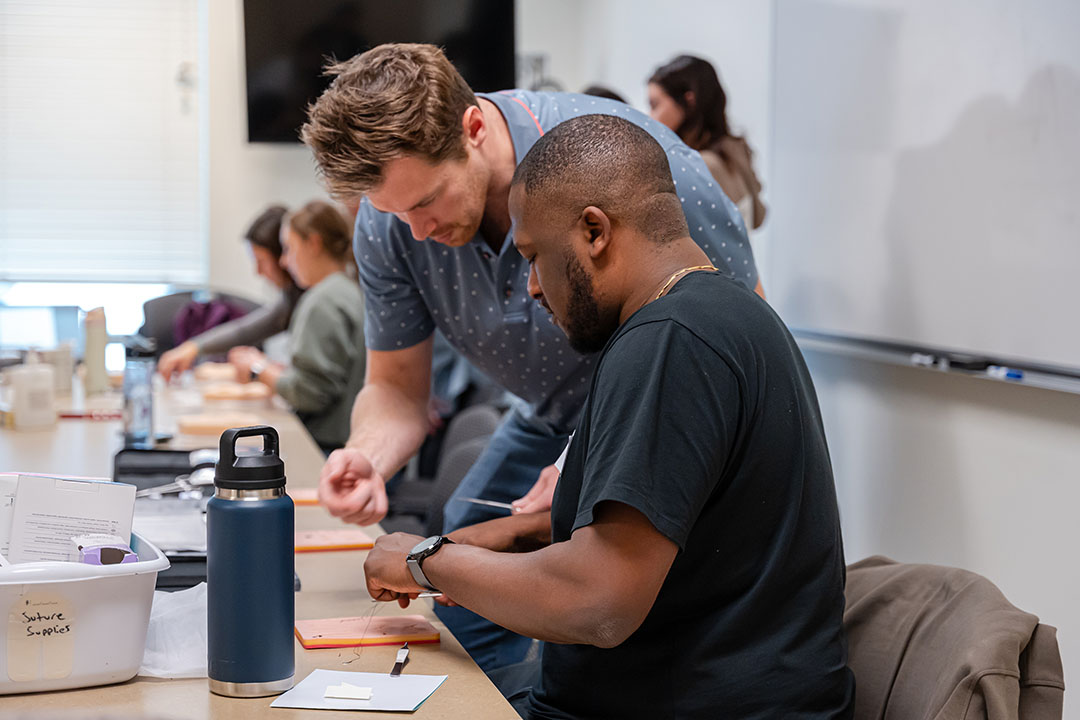
He added that this helps them grow and develop quickly as a physician. Since SLIC learners are often one of only a handful of medical students in the community, they quickly gain experience in a broad range of procedures, in a smaller, supportive environment.
“They can get those exposures to things that are sometimes very uncommon, even in the city,” said Zerr. “They’ll be planning to do something in the emergency room one day, and something interesting comes in elsewhere in clinic, and a physician is calling them saying ‘come and see this.’”
Spending nearly a year in one community also allows SLIC students to follow patients over time, which allows them to build trust with patients and provide care over an extended period.
“It’s great for the learners to see how patients are responding to their treatments. If you make a change you get to follow that patient. You get to see them improving in real time,” said Zerr. “You also get to be there for those big moments in people’s lives for better or worse, and you really become empathetic about what they’re going through. You learn how to be better at your job, and you learn a lot more about yourself as a person too, just by being part of that journey.”
Building awareness for rural medicine
In rural communities, physicians provide comprehensive care across many settings. For medical students training in these locations, it allows them to understand the broad scope of practice and impact on the community.
“I think the main difference is that when you train in regional or rural centres, the family physicians provide all the services to our community,” said Lee. “That means that not only are we in the clinic, but we also provide the services in the emergency room. We deliver the babies. We are the physicians that are on the in-patient wards.”
“We do long term care, palliative care, addictions medicine and even work in the operating room,” Lee added. “There’s a limited number of us, so we need to provide all those services versus being able to divvy ourselves up to be the people that provide emergency medicine or provide hospital medicine or do the deliveries.”
For family medicine residents who have completed their MD, that means continuous exposure throughout their training.
“They are exposed to all these disciplines for the full two years continuously. It’s not like they just do emergency medicine for two to four weeks at the beginning of the residency and they never do it again,” said Lee. “They’re in the emergency room working shifts all the time throughout their residency. They’re exposed to that discipline their whole residency, as well as the other disciplines as well. So inpatient medicine, long term care, palliative care.”
Training in rural communities doesn’t just offer learners a chance to see what practicing in a smaller location is like. It also builds awareness of health-care constraints. The exposure to rural medicine is beneficial even for those who decide not to practice in a smaller community.
“We would love for learners to choose to come back and work in rural sites, but even if they don’t, at least they’ll know what their rural colleagues are experiencing,” said Lee. “They will be aware of the different challenges that we face when practicing in rural Saskatchewan, when they are practicing in urban centres.”
Zerr said that even students who know they don’t want to practice in a rural location have benefited from the SLIC experience.
“They come out of that SLIC program and into their specialty with a real appreciation and understanding of what these rural communities are like,” he said. “And that gives them a real advantage I find when they are dealing with isolated and remote patients that need service and access.”
Supporting rural health-care recruitment
Recruiting health-care professionals to rural areas is a challenge across Canada, but programs like SLIC help expose students to the realities of rural medicine, help them feel prepared to practice there, and create a pipeline of future rural doctors.
“In order for us to meet the needs of our rural populations across the country, and for us to meet the needs of our learners and our staffing needs in these hospitals that are outside of large urban centres, we need programs that train learners to be comfortable in those environments,” said Zerr. “This allows students to start seeking out things they’re needing to become well-rounded, competent, strong, safe physicians. It also helps them really pursue things that they’re passionate about and help them find what makes them really love and enjoy medicine.”