
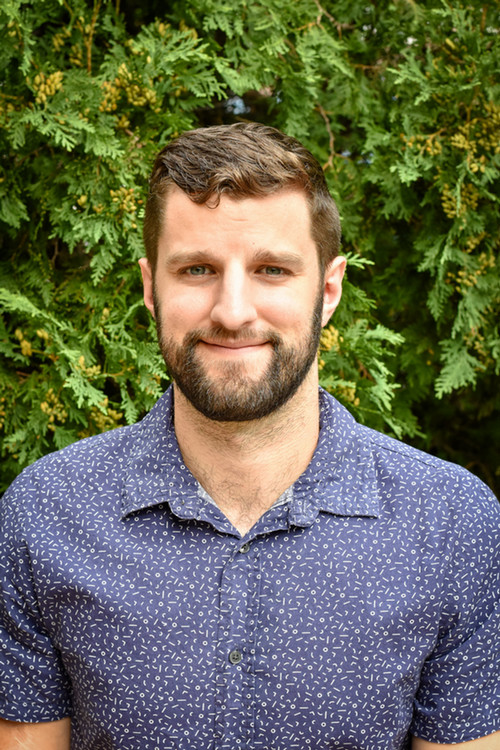
Dr. Zak Baker BSc, PhD
Assistant Professor Biochemistry, Microbiology & Immunology- Address
- 3D30.1 Health Sciences
Research Area(s)
- Lipid Metabolism, Mitochondrial Biology, Mass Spectrometry, Multiomics, and Stress Responses
About
Education:
B.Sc. Biochemistry, 2012, University of Saskatchewan, Saskatoon, Saskatchewan
Ph.D. Biochemistry, 2018, University of Saskatchewan, Saskatoon, Saskatchewan
Brief Biography:
Dr. Baker received his B.Sc. in Biochemistry from the University of Saskatchewan in 2012, then continued there to complete his Ph.D. in 2018 under the mentorship of Dr. Scot Leary. His graduate research focused on characterizing tissue‑specific mouse models of mitochondrial disease and uncovering mechanisms by which the metallochaperone SCO1 regulates copper homeostasis. Following his graduate studies, Dr. Baker began postdoctoral training in the lab of Dr. David Pagliarini, first at the Morgridge Institute of Research at the University of Wisconsin and later at Washington University School of Medicine. During this time, he developed expertise in mass spectrometry and multiomics, integrating proteomics, lipidomics, and metabolomics datasets to discover pathways of lipid metabolism essential for recovery from mitochondrial stress. Dr. Baker returned to the University of Saskatchewan in 2026 as an Assistant Professor in the Department of Biochemistry, Microbiology & Immunology.
Current Research Interests:
Our lab investigates how cells alter lipid homeostasis in response to mitochondrial dysfunction. Mitochondria are a central hub for cellular metabolism, as the organelle is home to numerous metabolic pathways. With such extensive capacity, even moderate impairments to mitochondrial function result in cellular stress and are linked to pathological states such as neurological disease, metabolic disease and cancer. Although cells have evolved stress response pathways to overcome mitochondrial dysfunction, the roles of lipids and metabolites in these pathways are poorly understood.
To fill this knowledge gap, current research in the lab is focused on two primary aims. First, we seek to define how triacylglycerol mobilization supports mitochondrial biogenesis and recovery from mitochondrial dysfunction. Second, we aim to uncover how the poorly characterized lipid phosphatidylinositol regulates mitochondrial complex formation and inter-organelle communication. We address these aims using a combination of lipidomics, proteomics, biochemistry, genetics, and physiology across yeast and mammalian model systems. Through this work, we seek to reveal fundamental principles of lipid-driven mitochondrial function and identify therapeutic opportunities for diseases rooted in metabolic and mitochondrial stress.
Recent Publications
- Baker Z.N.*, Guerra R.M.*, Rogers S.W., Pagliarini D.J. The mitochondrial phospholipase D Fmp30 regulates CoQ biosynthesis in yeast. Nature Commun. (2026). 17(1):7013. *co-first author https://doi.org/10.1038/s41467-026-73766-x
- Baker Z.N., Zhu Y., Guerra R.M., Smith A.J., Arra A., Serano L.R., Overmyer K.A., Mukherji S., Craig E.A., Coon J.J., Pagliarini D.J. (2025) Triacylglycerol mobilization underpins mitochondrial stress recovery. Nat Cell Bio. 298-308. https://doi.org/10.1038/s41556-024-01586-6
- Joshi A*, Baker Z.N.*, Stanfield R., Pagliarini D.J., Gohil V.M. Mitochondrial dysfunction and lipid dysregulation in yeast lacking phosphatidylserine. (2025) MBoC. 10. ar121. *co-first author https://doi.org/10.1091/mbc.E25-03-0128
- Strefeler A., Baker Z.N., Chollet S., Guerra R.M., Ivanisevic J., Gallart-Ayala H., Pagliarini D.J., Jourdain A.A. (2025) Uridine-sensitized screening identifies genes and metabolic regulators of nucleotide synthesis. Nat Metab. 7,11. 2221-2235. https://doi.org/10.1038/s42255-025-01419-2
- Baker, Z. N.*, Forny, P*. & Pagliarini, D. J. (2024) Mitochondrial proteome research: the road ahead. Rev. Mol. Cell Biol. 25, 65-82 *co-first author https://doi.org/10.1038/s41580-023-00650-7