
Making the Links: Mozambique
Three USask medical students share about their time in Mozambique as part of the Making the Links program.
By Avni Garg, Alex Flaman, Aby Korbo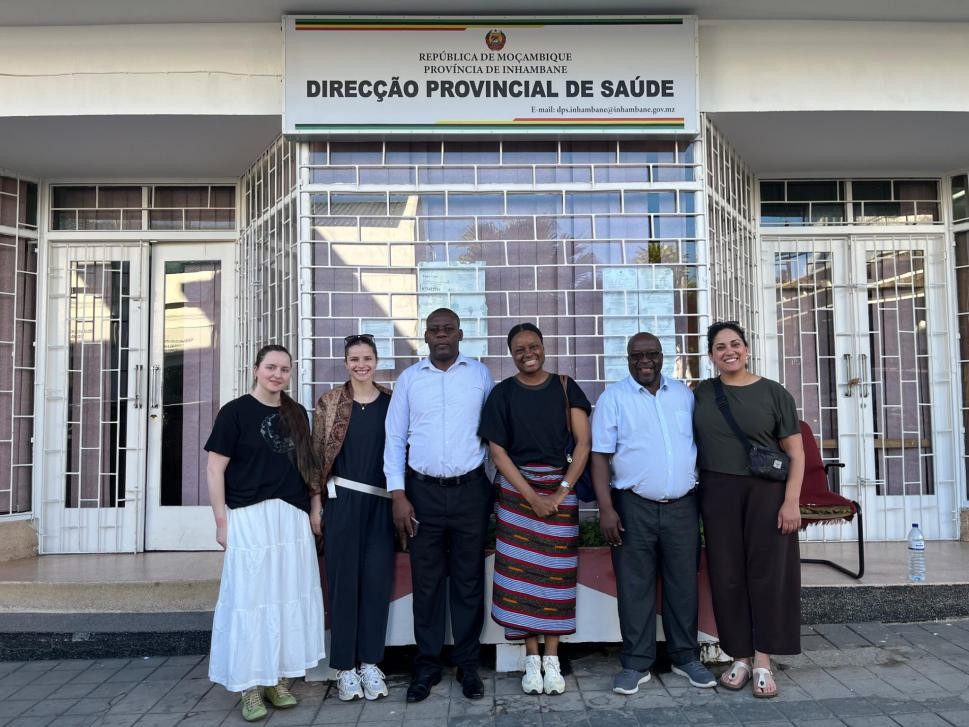
Olá from Avni, Alex, and Aby! We are between our second and third year of medical school, and have had the incredible opportunity to come to Moçambique with the Global Health Certificate program.
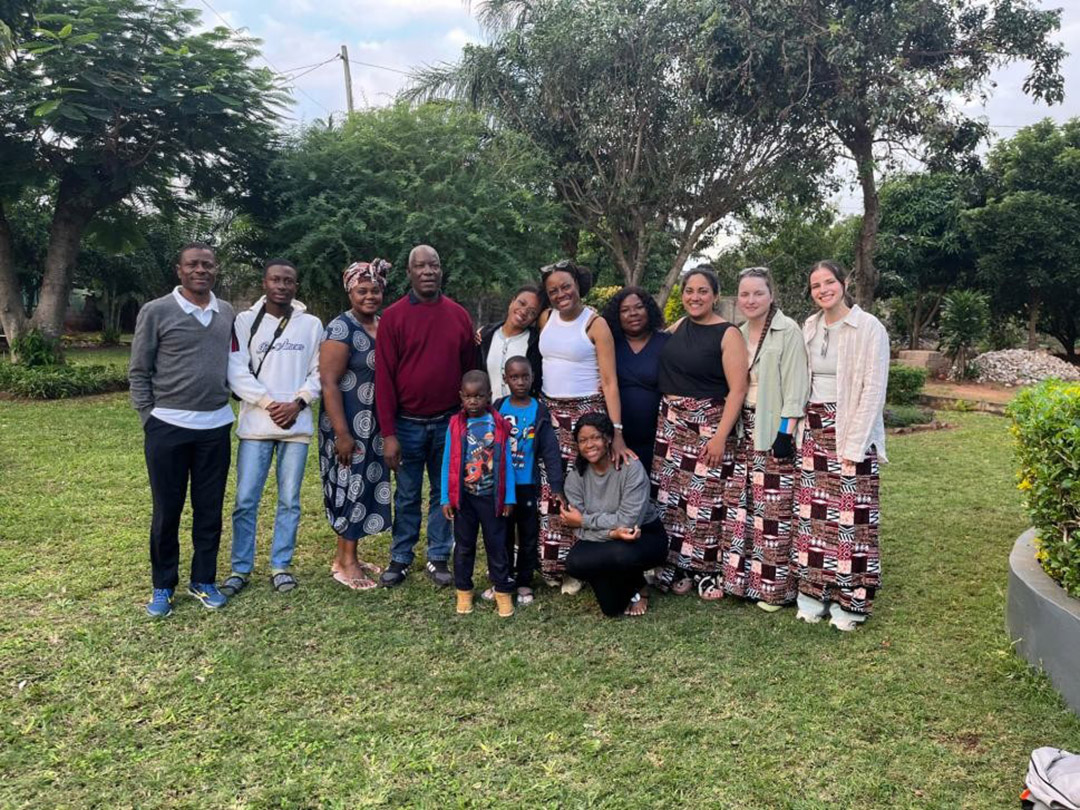
We are travelling with the spectacular Dr. Fernanda Andre—Mozambican dentist, global academic, and PhD candidate at USask’s College of Medicine. We are grateful for her guidance, knowledge of systems, and authentic local relationships she brings to our experience. A big shout out to her warm and welcoming family who gifted us our first Capulana—a tangible symbol of being a woman in Moçambique.
Since our arrival we have had the joy of being welcomed into hospitals of all levels, maternity waiting homes, training sessions organized by the Mozambique-Canada Project, and more intimate lives of peoples’ homes and remote communities. Experiencing a public health care system ostensibly similar to ours, but with marked differences in resources and access has been eye opening.
As one of the pediatrician’s we met said, they are practicing “war-time medicine”. Their war, however, is with costs of materials, government and corporate corruption, and disproportionate global distribution of goods. There are things we so easily take for granted in Canada—gloves, ultrasound machines and pediatric tylenol. These seemingly small things significantly alter the landscape of care here. Relying on an excellent history and physical exam makes these passionate providers excellent clinicians doing the best they can with what they have.
Moçambique was under Portuguese colonial settler occupation for almost 500 years. In 1975, it gained independence, followed by a civil war that lasted until 1992. It is remarkable to see how caring individuals have structured entire systems within a few generations. As Canadians, we continue to live within a settled colonial state—a system of unequal power and health inequities.
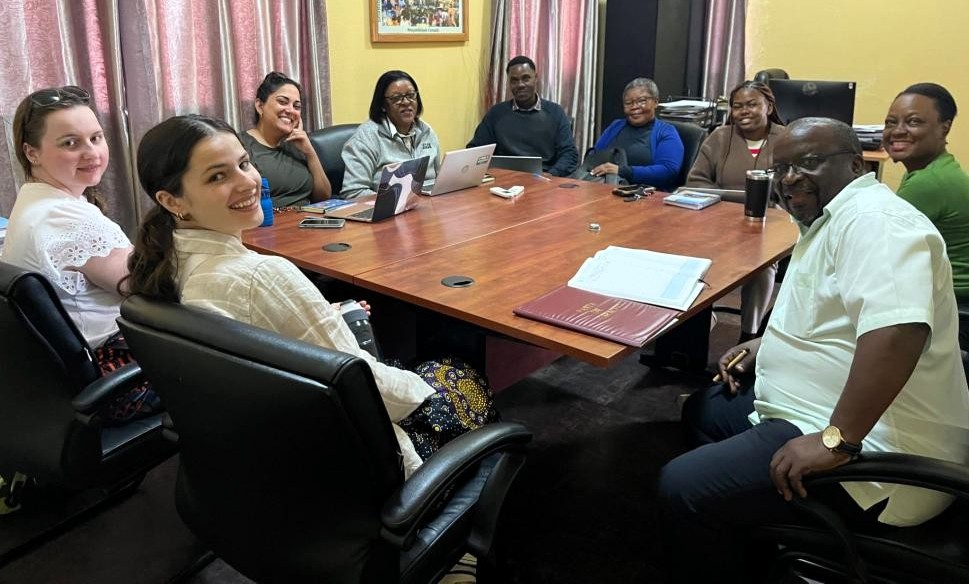
Something we learn from the Indigenous communities at our home is to do things in a good way. We have been humbled to observe and be a part of initiatives done in good ways. Before visiting a local community, we first have a courtesy meeting with the person responsible for the local health district and to introduce ourselves and explain the purpose of our visit.
We start community gatherings with prayer, sometimes song, and collective good intentions. The project emphasizes empowering local communities in leading their own community initiatives. There is an emphasis on care being holistic, rapidly responsive to needs, and humane. It is humbling to receive these teachings so early in our medical careers. A huge thanks to everyone who made this experience possible!
Making the Links - Certificate in Global Health is a program that prepares students admitted to the College of Medicine and School of Rehabilitation Science with the knowledge, skills and attitudes to help them work competently with marginalized under-served communities locally and globally.