Training the next generation of health professionals: a focus on program quality
Last week, the University of Saskatchewan College of Medicine’s undergraduate medical education (UGME) program received positive accreditation results from its full program review.
By College of Medicine CommunicationsThe program received continued full accreditation for another eight years. But what is accreditation, why is it important and how does it help ensure program quality?
What is accreditation?
Accreditation is an ongoing voluntary process that measures an educational program’s compliance with accepted standards for educational quality. Positive results – or “being accredited” - means a program has been evaluated by an accreditation body and found to meet these national standards. It also confirms that graduates of the program are prepared to enter the workforce or to continue to the next stage of their training.
As an example, every eight years the Committee on Accreditation of Canadian Medical Schools (CACMS) conducts a full program review of accredited undergraduate medical doctor programs. Programs are evaluated, by peers, on 12 standards and 96 elements ranging from curriculum and learning environments to leadership and admissions procedures.
This rigorous process involves seeking feedback, conducting a self-assessment of the program, submitting documents and hosting virtual and on-site visits. Student involvement is critical, and each full visit includes an Independent Student Analysis where students organize and evaluate their learning environment, support services, courses and curriculum.
Dr. Athena McConnell (MD) director of quality for the UGME program notes, “Accreditation helps ensure our MD graduates are well prepared, professionally competent, and ready to provide high-quality care and service to the communities they serve in their next stage of training.”
With the college’s recent programs expansions, other teams are also collecting information, performing reviews, and following processes to become accredited.
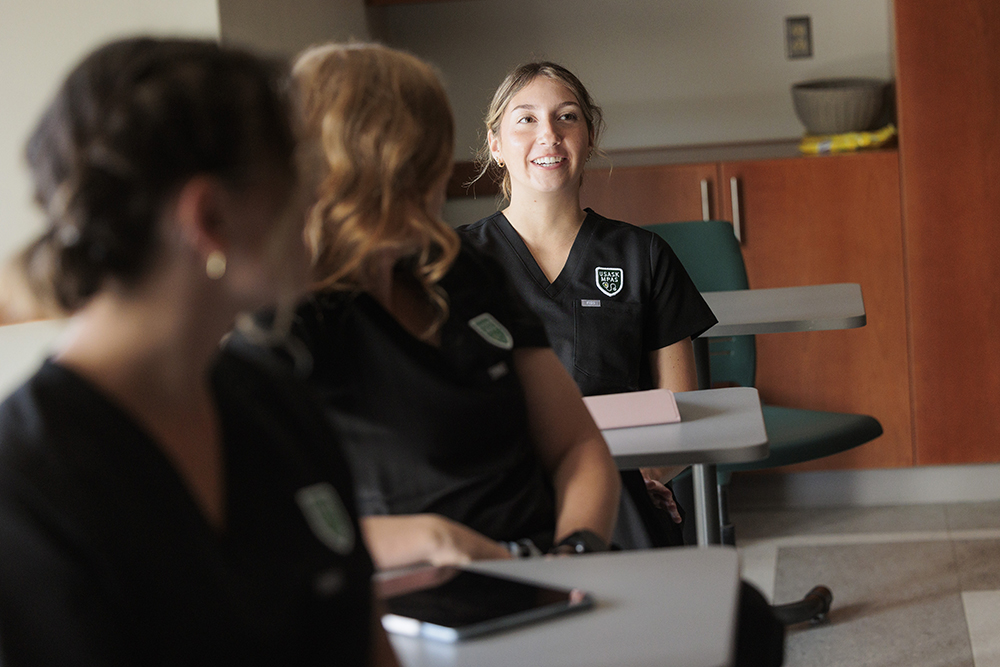
The USask Master of Physician Assistant Studies (MPAS) program achieved Admitted Status in 2025. The MPAS team continues to prepare documentation demonstrating compliance with accreditation standards as they work toward the accreditation site visit in May 2027.
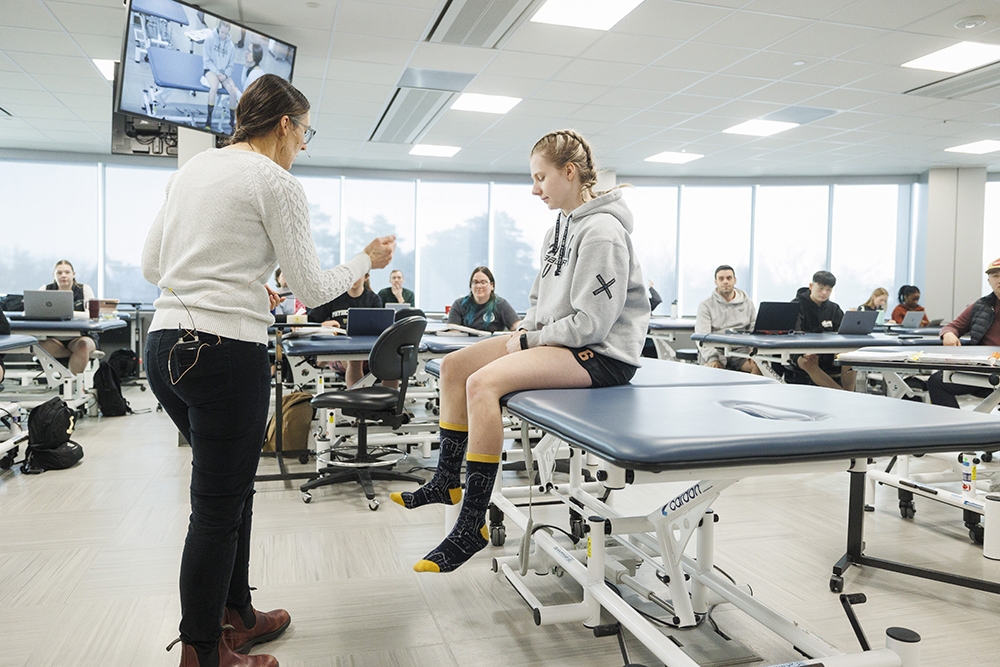
In addition, all programs in the School of Rehabilitation Science – including the new occupational therapy and speech-language pathology programs – are currently engaged in accreditation processes.
Both the occupational therapy and physical therapy programs will submit their respective self-study reports in early 2027 and host site visits in the spring. The speech-language pathology program will be submitting a candidacy status report in 2027 as well.
"Accreditation reflects our shared commitment to educational excellence, continuous improvement, and preparing the next generation of rehabilitation professionals to make a meaningful impact,” said Dr. Soo Kim (PhD), acting director of the School of Rehabilitation Science.
A commitment to education quality and continuous improvement
The accreditation process requires a substantial amount of work from a wide range of people to ensure a program not only meets standards but continues to improve.
“Our college prepares health-care professionals to serve the people of Saskatchewan,” said Dr. Sarah Forgie (MD), dean of the College of Medicine. “A critical part of this is the work that assesses and improves our programs and learning environments while maintaining our unique Saskatchewan context.”
Forgie highlights that providing high-quality education is a core strategic education goal for the college.
“Our programs collect data, evaluate outcomes, and strive to understand what is working and where improvements are needed. Through this cycle of data-driven continuous improvement, we strengthen education and training to meet the needs of learners, patients and communities.”
She adds that this important work is the result of dedicated people across the college and the province. “Education quality is a whole-college effort, and everyone should be extremely proud of their role in developing and delivering programs that train the next generation.”