

A Moment of Pause: Finding Connection During Ramadan
Through fasting, reflection, and community, Muslim colleagues in the Department of Family Medicine share how Ramadan offers a meaningful opportunity to pause, reconnect, and find support.
By Jana Knezackova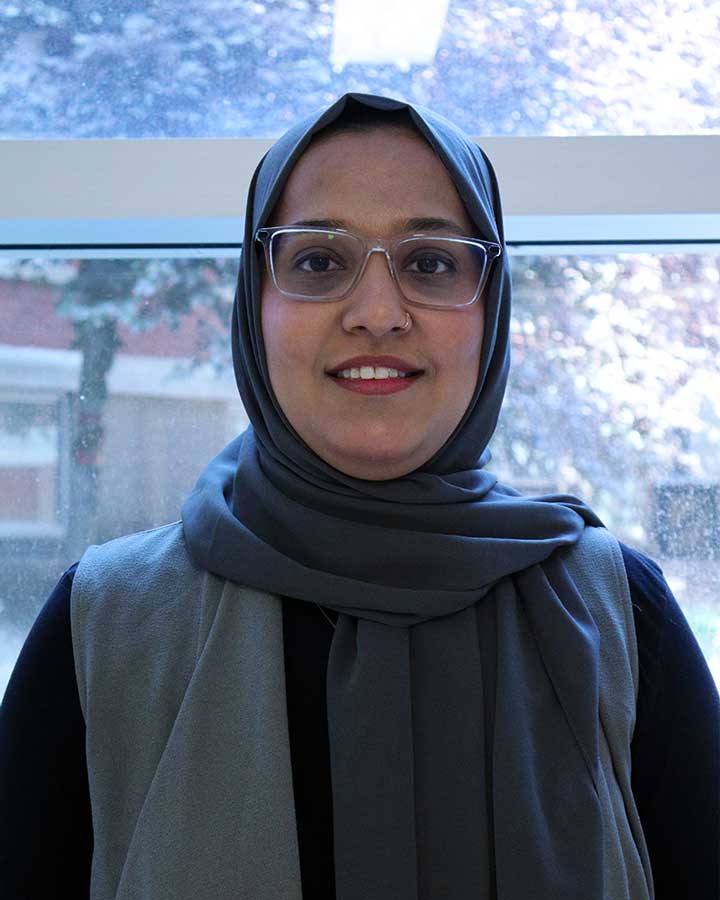
Think of a time when you’ve felt lost in the noise of life — sirens blaring, screens flashing, people rushing past. Despite all the movement around you, you feel hollow inside: exhausted, disconnected, searching for something real.
For Regina resident Dr. Warda Zanib, that feeling captures why Ramadan matters.
“It’s finally finding the path out of that chaotic city and stepping onto a quiet, familiar trail in a vast forest,” she says. “The noise fades, the air clears, and I can breathe again. It’s my annual chance to pause, reset, and refocus.”
For Muslims around the world — and within our residency program — Ramadan is a time of reflection, spiritual growth, gratitude, and community.
Fasting during Ramadan is one of the central practices of Islam. From dawn until sunset, those observing the month refrain from food and drink as a way to practice self-restraint, deepen gratitude, and reflect on the experiences of those facing hardship and hunger. The month concludes with Eid, a celebration marked by prayer, family gatherings, and shared meals.
For residents balancing Ramadan with clinical training, the experience can be both meaningful and demanding.
“Fasting through long clinical days can be difficult,” Zanib shares, especially while also caring for a young child at home. But for her, the physical challenges of the month ultimately lead to its greatest gift: gratitude.
Finding Community in Regina
For many residents observing Ramadan, community is essential.
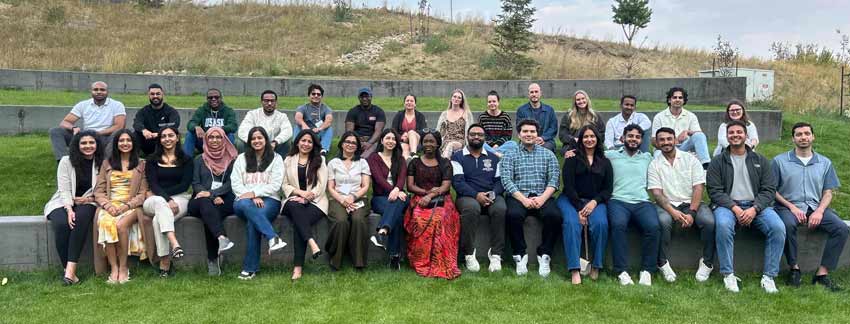
“The Muslim community in Regina is small but incredibly close-knit,” says Zanib. “Many of us gather for nightly prayers at the mosque, and there’s a beautiful sense of shared experience — fasting together, praying together, and showing up for one another.”
Within the residency program, Muslim residents and staff also support one another throughout the month.
“We check in on each other, share tips for surviving long days, and sometimes coordinate iftar gatherings when schedules allow,” she says.
Like many residents who relocate for training, Zanib says building community after moving to Regina was important.
“I’ve found a wonderful community through the local mosque and through connecting with other Muslim healthcare professionals in the city,” she says.
Her advice to incoming Muslim residents is simple: reach out.
“Whether it’s joining Friday prayers, attending community iftars, or introducing yourself to other Muslim colleagues, those connections make all the difference.”
An Environment of Support
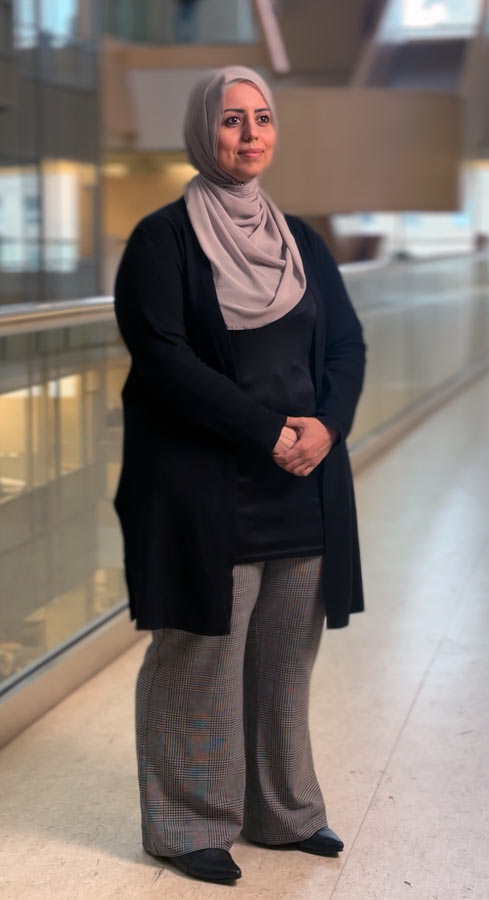
For the past three years, Regina faculty member and preceptor Dr. Asma Gargoum has gifted stuffed dates to Muslim residents during Ramadan. Traditionally used to break the fast at sunset, the gesture carries deep meaning.
“This is my small way of showing community,” says Gargoum. “A lot of our residents are not originally from Regina, and I want them to feel seen and recognized.”
She says support from colleagues can make a significant difference during the month.
“I’m lucky to work in a practice that accommodates schedules so we can dedicate evenings to prayer, spiritual growth, and time with family,” she says. “My colleagues check in to ensure I’m supported — and it’s the small things that go a long way.”
For Gargoum, who wears hijab and is visibly Muslim, even simple greetings from colleagues and community members help foster belonging.
“People will say ‘Ramadan Mubarak’ or ‘Asalamualaikum’ in the clinic, hospital, or even on the street,” she says. “That awareness creates connection and community.”
Zanib agrees that small gestures often have the greatest impact.
“For me, it’s not about major accommodations,” she says. “It’s the awareness and thoughtfulness that make me feel seen and supported as a person.”
She recalls moments when colleagues checked in during long days of fasting or briefly covered tasks so she could step away to pray or break her fast.
“It’s a small act that says, ‘I’ve got your back,’” she says. “It removes so much stress.”
An Invitation to Pause
For those observing Ramadan, the month is ultimately an invitation to slow down and reflect.
It is a reminder of hunger, gratitude, patience, and the importance of caring for others.
“That first sip of water at sunset isn’t just quenching thirst,” says Zanib. “It’s a wave of profound appreciation that resets my entire perspective.”
She says that perspective carries into patient care.
“The patience I practice with my own hunger transforms into deeper compassion for my patients,” she says. “It makes me a better listener and a more empathetic caregiver.”
Saskatchewan’s provincial motto — From Many Peoples Strength — reflects the reality of our residency community. The many identities, experiences, and perspectives within our program strengthen both our learning environment and the care we provide to patients.