

Teamwork Behind the Match: Family Medicine Comes Together for the 2026 CaRMS Match
The 2026 CaRMS match showcased the extensive teamwork and collaboration that powers the Department of Family Medicine’s residency selection process across Saskatchewan. Faculty, staff and administrators worked together across all sites to support applicants and strengthen the future of family medicine training.
By Spencer BomboirUpdate, April 21, 2026: The Department of Family Medicine has now fully matched for the 2026-2027 year. All residency positions across the program's nine Saskatchewan training sites have been filled. The article below was originally published following the first round of the CaRMS match.
Behind every CaRMS match is a team working tirelessly behind the scenes.
For the Department of Family Medicine at the University of Saskatchewan, the 2026 Canadian Resident Matching Service (CaRMS) cycle was a true example of collaboration, coordination, and commitment across the province. Faculty, staff, administrators and academic leaders from all nine training sites worked together to review applications, interview and rank candidates, and ultimately contribute to welcoming the next cohort of family medicine residents.
Following the first round of the match, the program has welcomed many new residents, including a number of graduates of the University of Saskatchewan’s College of Medicine, reflecting the strength of training within the province.
From application reviews and interviews to coordinating schedules and submitting rank order lists, the process required months of planning and coordination. The effort was made possible by the many people who came together to support resident training and the future of family medicine in Saskatchewan.
A Province-Wide Effort
The Department of Family Medicine’s residency program includes nine training sites across Saskatchewan: La Ronge, Prince Albert, Saskatoon, North West, Regina, Moose Jaw, South East, Swift Current, and the newly established North East site.
Administrative teams worked behind the scenes to coordinate logistics, organize interview schedules, and ensure a smooth experience for applicants. Faculty members dedicated their time to reviewing files, conducting interviews, and thoughtfully ranking candidates who will become the next generation of family physicians in Saskatchewan.
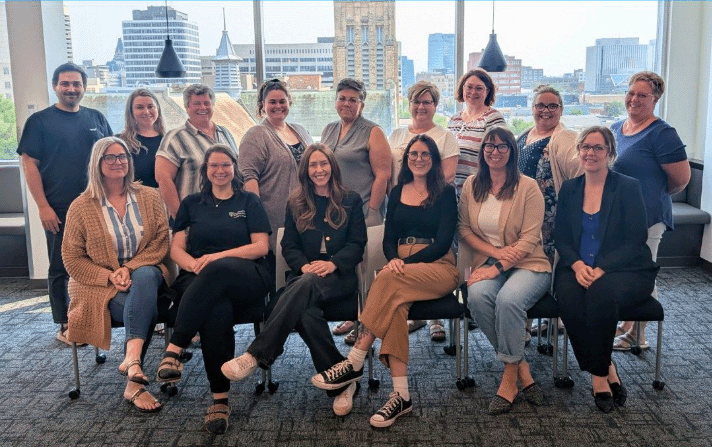
The Team Behind the Scenes
At the heart of the CaRMS process is a team that ensures every step runs seamlessly.
“What makes our administrative team so strong is the way everyone works together. The collaboration, support and willingness to step in wherever needed made this possible," says Jalene Jepson, Manager of Academic Programs with the Department of Family Medicine. "Their hard work behind the scenes keeps everything running smoothly, and it certainly does not go unnoticed. This is a true team effort.”
According to Jepson, administrators across all sites worked closely together throughout the CaRMS process, managing interview schedules, communicating with candidates and supporting faculty every step of the way.
Their work helps ensure applicants experience a welcoming and organized process while giving faculty the structure needed to carefully evaluate each candidate. Throughout the process, administrators and faculty also make an effort to add personal touches and create meaningful connections, helping candidates feel comfortable during what can often be a stressful time.
Looking Ahead to Round Two
While many residency seats were filled in the first round of the match, several positions remain available across the program.
Several opportunities remain available across the program, including nine positions in Regina, five in the North East site, two in Moose Jaw, and one in the South East site.
Round two of the CaRMS match provides another opportunity for prospective residents to join the program, and the department is already preparing for the next stage of recruitment.
Faculty and administrative teams will once again work together to connect with prospective residents and highlight the many opportunities for training in communities across Saskatchewan.
A Positive Outlook for the Year Ahead
Despite the work still ahead, department leadership remains optimistic about the future of family medicine training in Saskatchewan.
With a dedicated team supporting learners at every stage of their journey, the Department of Family Medicine continues to build a strong and supportive environment for resident education.
As the CaRMS cycle continues into round two, one thing remains clear: it takes a team to make the match happen.